
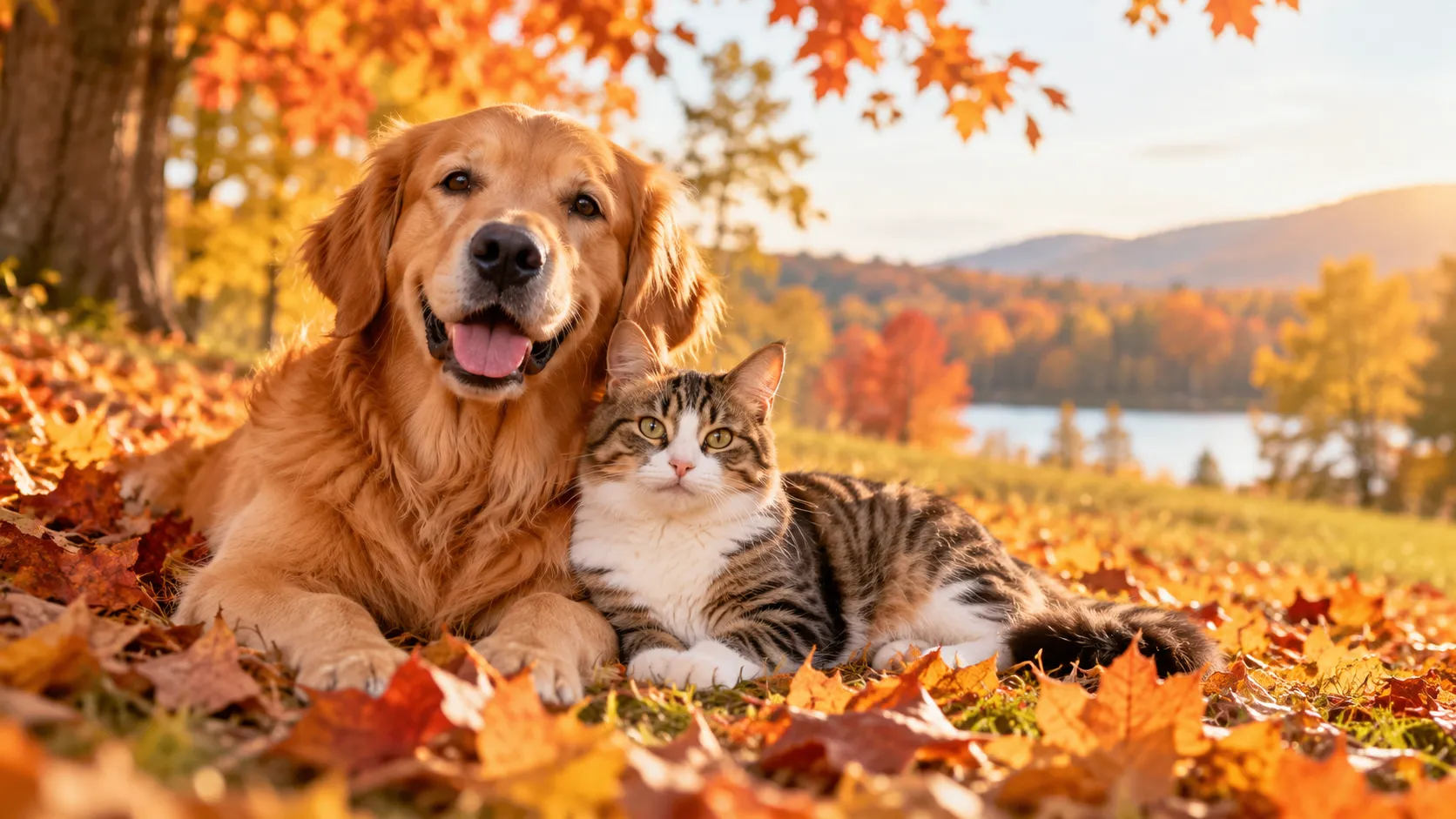
Fall Flea & Tick Prevention for Dogs and Cats
Fall has officially arrived in Central Illinois! The temperatures are dropping, the leaves are changing, and our pets are probably enjoying the break from the summer heat just as much as we are. But while we're pulling out our sweaters and enjoying everything pumpkin spice, there's one thing pet owners shouldn't pack away just yet: flea and tick prevention!
It's a common misconception that fleas and ticks disappear once the weather cools down. Unfortunately, these pesky parasites don't follow the calendar quite as closely as we'd like. In fact, fall can still be an active season for fleas and ticks, making continued prevention an important part of keeping your pets healthy.
Aren't Fleas and Ticks Just a Summer Problem?
We wish! While fleas and ticks are often associated with warm summer days, both can remain active well into the fall.
Ticks can thrive during cooler temperatures, particularly on mild autumn days. Certain tick species are especially active during the fall months, meaning your dog can still pick up unwanted hitchhikers during walks, hikes, or backyard adventures.
Fleas are another year-round concern. Although freezing outdoor temperatures can reduce flea activity, fleas can survive and reproduce inside heated homes. Once they've settled into your carpets, furniture, or your pet's favorite sleeping spot, they aren't going to voluntarily move out when winter arrives.
Even indoor pets aren't completely protected. Fleas can find their way inside on other animals, and ticks may be carried indoors on pets or people.
Why Fall Tick Prevention Matters
If your dog loves exploring the yard, running through leaves, or joining you on fall hikes, it's important to keep ticks in mind.
Ticks can transmit several illnesses to dogs, including:
- Lyme Disease: A bacterial infection that may cause fever, lameness, joint discomfort, and, in some cases, serious complications.
- Anaplasmosis: A tick-borne infection that can cause lethargy, fever, joint pain, and other symptoms.
- Ehrlichiosis: An infection that can affect blood cells and potentially cause fever, weakness, bruising, or bleeding problems.
One tricky part of tick-borne illnesses is that symptoms don't always appear immediately. Some infected dogs may show few or no noticeable signs at first.
Regular tick checks are still important, even when your pet is receiving prevention. Pay particular attention to the ears, neck, armpits, between the toes, and around the tail.
Fleas: Small Bugs, Big Problems
Fleas may be tiny, but they can create some big headaches for pets and their owners.
Beyond the constant itching and scratching, flea infestations can lead to:
- Flea allergy dermatitis: An allergic reaction to flea saliva that can cause intense itching, irritated skin, and hair loss.
- Skin infections: Excessive scratching and chewing can damage the skin and allow infections to develop.
- Tapeworms: Dogs and cats can become infected with certain tapeworms by swallowing infected fleas while grooming.
- Anemia: Severe flea infestations can cause significant blood loss, particularly in puppies, kittens, or smaller animals.
And here's something many pet owners don't realize: The fleas you see on your pet are only part of the problem.
Flea eggs, larvae, and pupae can be hiding throughout your home. This means treating an established infestation often requires more time and effort than simply maintaining regular prevention.
Should My Pet Stay on Flea and Tick Prevention Year-Round?
For many pets, the answer is yes!
Year-round parasite prevention is often the most reliable approach, especially since weather patterns can be unpredictable. One week might bring chilly temperatures, while the next offers sunny afternoons perfect for outdoor adventures.
Continuing prevention throughout the year can help:
- Reduce the risk of flea infestations in your home.
- Protect against ticks that remain active during mild weather.
- Lower the risk of certain parasite-transmitted diseases.
- Avoid gaps in protection during unexpected warm spells.
- Keep your pet comfortable and healthier throughout every season.
There are several flea and tick prevention options available, including oral medications, topical treatments, and certain collars. Not every product is appropriate for every pet, so your veterinarian can help determine which option best fits your pet's species, age, weight, health history, and lifestyle.
Important reminder: Never use a flea and tick product labeled for dogs on a cat unless your veterinarian specifically confirms it is safe. Some ingredients commonly used in dog products can be extremely toxic to cats.
Don't Forget About Heartworm Prevention!
While we're talking about parasites, here's another friendly reminder: Heartworm prevention shouldn't automatically stop when summer ends, either.
Heartworms are transmitted through mosquito bites, and mosquito activity can continue during warmer fall weather. The American Heartworm Society recommends year-round heartworm prevention for dogs and cats.
Many veterinary-recommended preventive products protect against multiple parasites, making it easier to maintain consistent protection. Your veterinary team can help you understand exactly what your pet's current medication covers.
Enjoy Fall Without the Unwanted Hitchhikers
Autumn is a wonderful time to get outside and enjoy the season with your four-legged family members. Whether that means walking through crunchy leaves, exploring local trails, or simply enjoying the backyard, a little prevention goes a long way.
As you settle into your fall routine, take a moment to check your pet's parasite prevention. Are they up to date? Do you have enough medication to get through the coming months? Has your pet's weight changed since their last prescription?
If you're unsure whether your pet is fully protected, our veterinary team is happy to help! Contact Big Hollow Companion Animal Hospital to discuss flea, tick, and heartworm prevention options that fit your pet's individual needs.
After all, the only thing your pet should be bringing home from a fall adventure is a few crunchy leaves on their fur — not fleas and ticks!